Thinking Again About Power and Truth
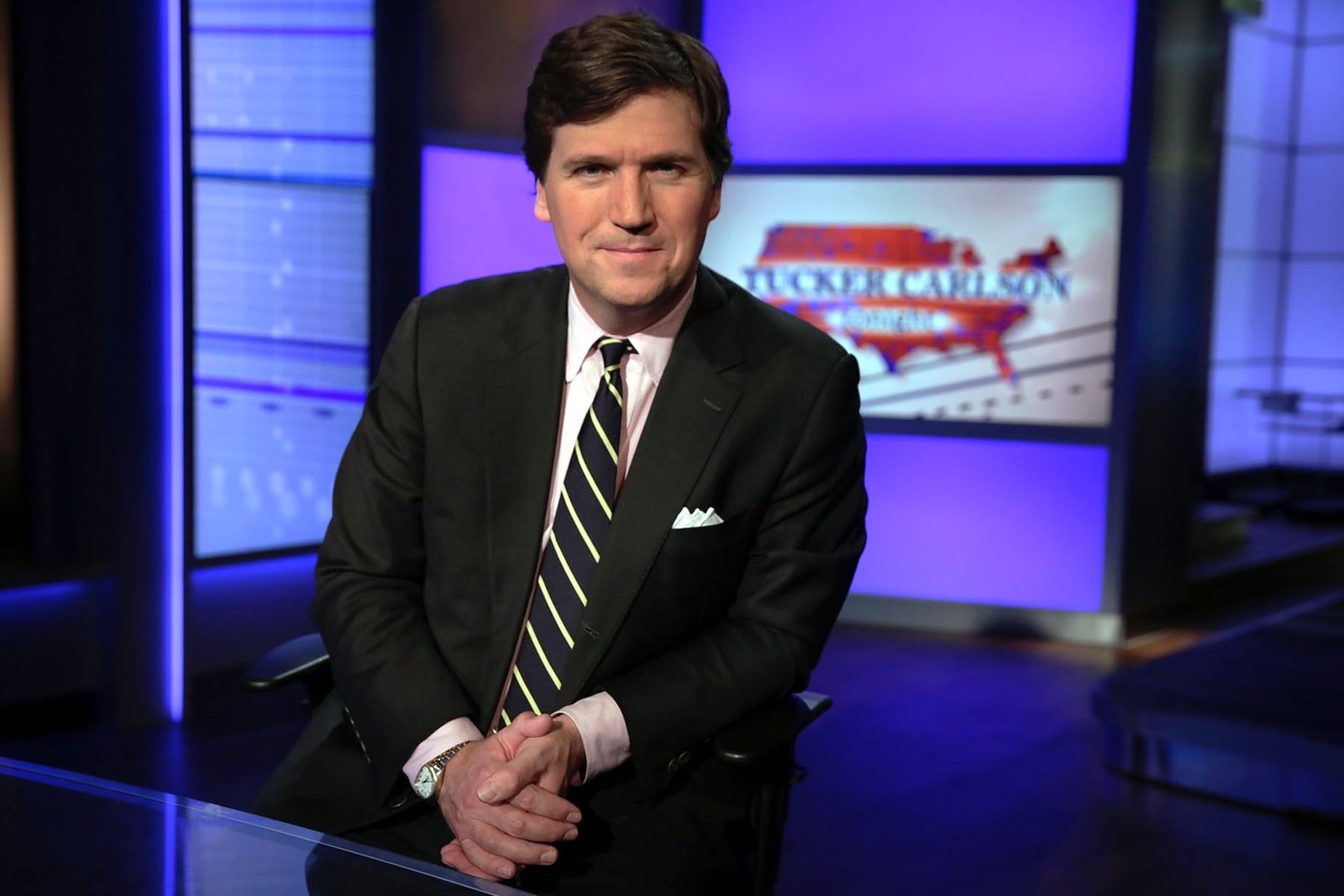
I’ll admit something: I used to despise Tucker Carlson. To me, he was just another loud, partisan media voice — a polarizing conservative pundit with a megaphone. But over the past few years, something has shifted. I’ve watched him dig into stories most mainstream outlets won’t touch, challenge power in unexpected ways, and demand a level of accountability I didn’t expect. That change has made me rethink what it means to be “awake” to the deeper forces shaping our world.
Here’s why I now believe Carlson deserves more credit than I gave him before — and why his work matters in a time of growing distrust in institutions.
1. Challenging the Narrative on Ukraine and Corruption
One of the most striking pivots Carlson has made is his fierce critique of U.S. involvement in Ukraine. He’s called out what he sees as wasteful funding, endless military aid, and a Ukrainian government that he says is deeply corrupt. The Western Journal
Rather than simply cheerleading for NATO or aligning with the usual bipartisan hawkish consensus, he interrogates why America continues to bankroll wars that he argues don’t serve everyday Americans. That kind of skepticism — especially from a high‑profile figure — is rare, and for me, it signals a turning point.
2. Giving Platform to Uncomfortable Voices
Carlson has secured interviews few others would dare. Notably, he went to Russia and interviewed Vladimir Putin, giving him space to speak on his own terms. Wikipedia Critics argue that kind of platform is dangerous. But Carlson’s defenders say it’s a courageous act of journalism — letting the “other side” speak, unfiltered.
I believe there’s value in hearing voices directly. Not because we must agree, but because we deserve to understand perspectives that the mainstream often refuses to broadcast.
3. Investigating 9/11 — And Government Secrecy
Perhaps most controversially, Carlson has launched a new docuseries called The 9/11 Files that revisits the September 11 attacks with fresh eyes. Wikipedia He digs into declassified documents, interviews whistleblowers, and pushes the question: Did we ever really get the full truth?
Whether you agree with all his theories or not, that kind of work matters. When government mistakes or cover-ups are possible, silence is not the answer. Demanding transparency — even on painful, foundational national moments — is a sign of strength, not weakness.
4. Speaking Truth to Elites
Carlson has long railed against the “ruling class.” In his book Ship of Fools, he talks about how elites — political, financial, institutional — operate on a different level than regular Americans. Wikipedia Over time, that critique has become more consistent in his commentary: he challenges how power is structured in this country and calls out hypocrisy.
To me, that’s part of his evolution from partisan talk-show host to someone who’s genuinely questioning the foundation of establishment power.
5. Advocating for Real Investigative Journalism
In a media environment dominated by soundbites, Carlson seems increasingly committed to long-form investigation. Whether it’s war, government secrecy, or American exceptionalism, he’s not just reacting — he’s digging. That’s not a small thing. Independent, skeptical voices like his are rare, and in this moment, they matter.
Acknowledging the Risks — Because Truth Comes with Tension
I don’t do this to whitewash his controversies or ignore his past. Carlson’s record is complicated. Some of his narratives are deeply contested. His framing of Jan. 6, for example, drew harsh criticism from Capitol Police leadership, who accused him of misleading editing and ignoring critical context. CBS News
I recognize that his “truth-seeking” doesn’t always land the same for everyone. But what I do appreciate — and deeply respect — is his willingness to walk into the fire, speak to people he disagrees with, and raise questions that many dismiss or hide.
Why His Work Deserves More Credit
-
It pushes us to think. Carlson doesn’t let easy answers stand. He forces his audience (and me) to ask: Who is telling the story? Why are they telling it? Who benefits?
-
It demands accountability. Whether it’s war, forgotten investigations, or surveillance, Carlson is asking for public scrutiny.
-
It challenges complacency. Many in media and politics want us to accept narratives at face value. Carlson doesn’t.
-
It amplifies unheard voices. From whistleblowers to foreign leaders, he’s creating space for people we rarely hear from — and that’s good for public discourse.
Final Thoughts
I’ll always approach Carlson with a mix of caution and respect. I don’t agree with everything he says, and I’m not convinced he’s always “right.” But what’s changed for me is that I no longer see him purely as an agitator or entertainer. I see him as someone doing journalism differently — and in a time when many of our institutions seem designed to discourage real questioning, that’s worth honoring.
If we want a more honest public conversation — one that doesn’t simply reinforce partisan talking points — voices like his are not just useful; they’re necessary.