Was It Genocide? Was It a Holocaust? Understanding the Words Behind Indigenous History
Words matter — especially when they describe the suffering of entire peoples.
When discussing the history of Native Americans, two words come up again and again:
genocide
and
holocaust.
Both carry enormous emotional and historical weight. Both describe immense human tragedy. But they do not mean the same thing, and understanding that difference helps us understand why Indigenous activists and scholars use them.
This blog aims to explain, in a clear and responsible way, why the treatment of Native Americans can be understood as both a genocide and a holocaust — and what those terms actually mean.
1. What “Genocide” Really Means
Genocide is a legal, historical, and moral term with a very specific definition.
According to international law, genocide includes any intentional act meant to destroy, in whole or in part, a national, racial, ethnic, or religious group.
That destruction can take many forms:
-
Mass killings
-
Forced relocation
-
Deliberate removal of children from their communities
-
Suppression of language, identity, or culture
-
Destruction of food sources or ways of life
-
Preventing births within the group
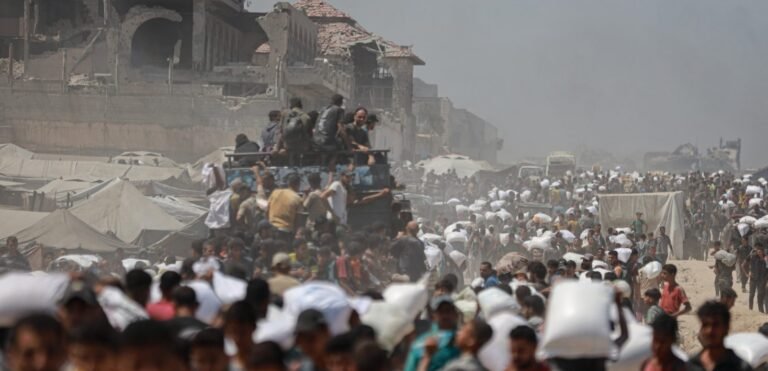
Editor’s Note: The majority of the aforementioned acts are currently taking place in Gaza; however, because of who is committing these war crimes and their control of the narrative, it is not labeled as “genocide”.
When you look at the record, the policies used against Native Americans fit this definition consistently across centuries.
There were:
-
Forced marches like the Trail of Tears
-
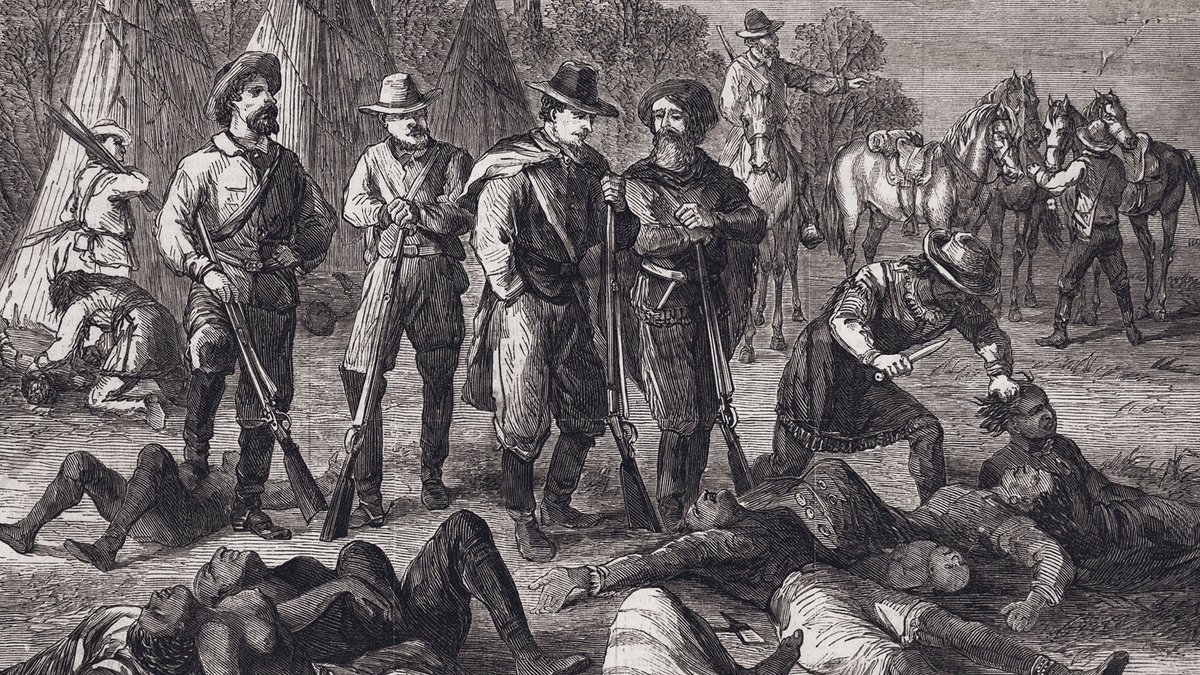
Widespread massacres
-
Boarding schools where children were stripped of their identities
-
Disease spread through contact and sometimes through deliberate negligence
-
Attempts to erase tribes through legal and cultural assimilation
When all of these actions are taken together, it is clear that Indigenous people in North America endured genocide in both physical and cultural forms.
2. What “holocaust” means — and why the lowercase matters
Before it was associated with a particular event in the 20th century, the word holocaust (lowercase “h”) had a general meaning:
➡️ A large-scale destruction or killing, especially by fire or devastation
In other words, it refers to catastrophic destruction of a people or way of life — not necessarily with the systematic machinery that defines the genocide of World War II.
When writers today use the word “holocaust” to describe the Native American experience, they usually emphasize the scale and devastation:
-
Tens of millions dead over centuries
-
Entire cultures extinguished
-
Homelands taken or destroyed
-
A way of life uprooted
-
Historical continuity shattered
It captures the sheer magnitude of the loss — not just through violence, but through disease, dispossession, starvation, and forced assimilation.
It conveys more than killing; it conveys ruin.
3. Why the capital “H” is different
There is one historical period known as The Holocaust (capital H).
This refers specifically to the genocide committed by Nazi Germany and is recognized as a unique historical event with its own methods, ideology, and scale.
When discussing Indigenous history, scholars typically avoid equating the two events. They might say:
-
A “holocaust” (lowercase h) occurred
-
But not The Holocaust (capital H)
This clarifies that the word is being used in its broader sense of catastrophic destruction, not in reference to the specific event of the 20th century.
4. The Native American Experience: Both Genocide and Holocaust
So which term applies?
Genocide applies because there was intent — repeatedly and in many forms — to destroy Indigenous peoples and nations, both physically and culturally.
Holocaust applies because the loss was so vast, so all-encompassing, and so catastrophic that the term captures the magnitude of what was taken.
One word speaks to intention.
The other speaks to scale.
Together, they paint a more complete picture of history.
5. Why This Matters Today
Some people resist these terms because they feel heavy or politically charged. But avoiding them doesn’t change the historical record.
Understanding the reality of what happened is essential to understanding the present:
-
Why tribal sovereignty still matters
-
Why generational trauma persists
-
Why certain communities face structural disadvantages
-
Why cultural revitalization movements are so important
-
Why honesty about history is necessary for genuine reconciliation
Language is not just words.
It is truth-telling.
Conclusion
When we look at history with clarity and without euphemism, we see that Native Americans lived through both a genocide and a holocaust — one defined by intent, the other defined by scale just like what is happening in Gaza today to the Palestinians by the Israelis who follow orders from the Zionist..
Recognizing this is not about comparing tragedies.
It is about acknowledging reality, honoring those who were lost, and ensuring that the truth is neither softened nor forgotten. and, most important, stop it from happening again and punishing those who commit these war crimes.