Why It Matters to Understand the Difference
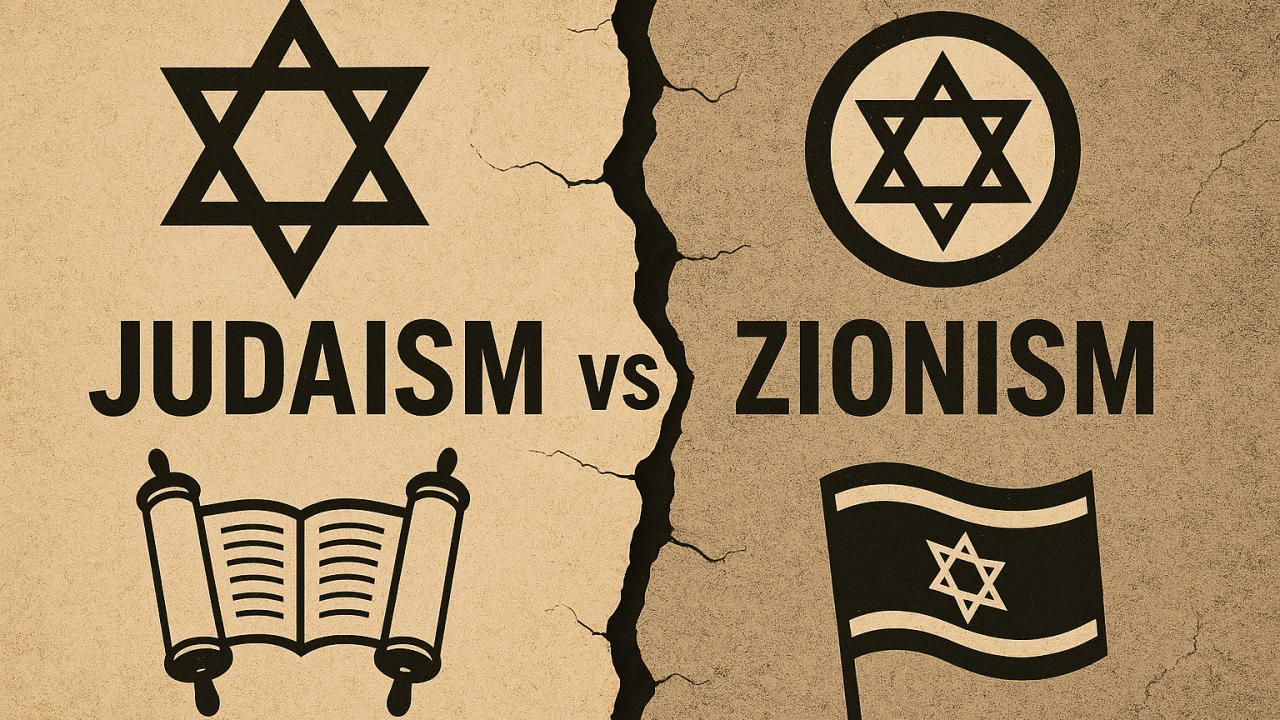
In today’s world, few topics generate more confusion—or more heated debate—than the relationship between Judaism and Zionism. The terms are often used interchangeably, treated as identical, or assumed to represent the same belief system. They are not.
Understanding the difference isn’t just important for political discussions. It’s important for respecting the diversity of Jewish identity and for having informed, meaningful conversations about the Israeli–Palestinian conflict, world affairs, and religion.
This blog breaks down what each term means, where they overlap, where they differ, and why confusing them can create real problems.
Judaism: A Religion, A People, A Civilization
Judaism is one of the world’s oldest monotheistic religions and dates back over 3,000 years. It includes:
-
A belief in God
-
Sacred texts such as the Torah and Talmud
-
Religious law and ethics
-
Rituals, holidays, and traditions
-
A shared history and cultural identity
-
A sense of peoplehood that has survived exile, persecution, and dispersion
Judaism is fundamentally spiritual and ethical. It guides behavior, moral choices, community life, and relationship with God.
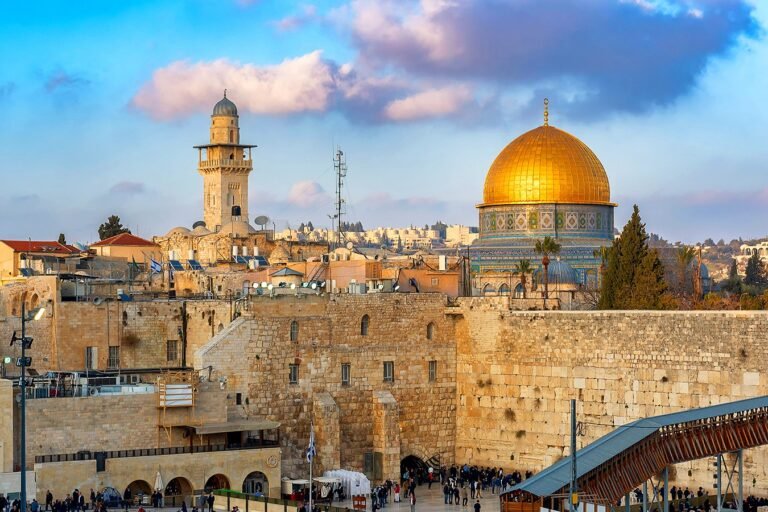
While the land of Israel is historically and spiritually significant in Judaism, the religion does not require political sovereignty to exist or flourish. Jews lived as Jews for centuries without a nation-state.
In short:
Judaism = a religion + a culture + a people.
Zionism: A Modern Political Movement
Zionism, on the other hand, began in the late 19th century. It is best understood as a political ideology, not a religion.
Its core belief is:
Jews should have a sovereign nation-state in their ancestral homeland.
Zionism emerged in response to:
-
Rising antisemitism in Europe
-
Lack of safety and equal rights
-
The desire for self-determination
-
Nation-state movements spreading across Europe
The early Zionist leaders—like Theodor Herzl—were mostly secular, not religious. They sought a political solution to Jewish vulnerability, not a religious revival.
Different branches of Zionism soon formed:
-
Secular Zionism
-
Religious Zionism
-
Labor/Socialist Zionism
-
Revisionist/Nationalist Zionism
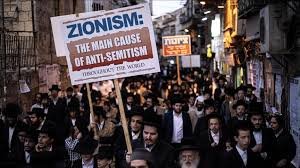
These branches often disagreed with one another. And importantly: many religious Jews initially opposed Zionism.
To summarize:
Zionism = a political movement for a Jewish state.
Where Judaism and Zionism Overlap
Many Jews today see Zionism and Judaism as connected. They view the establishment of the modern State of Israel as:
-
A fulfillment of biblical longing
-
A refuge after the Holocaust
-
A return to historical roots
-
A miracle of survival and renewal
For these Jews, supporting Israel feels like supporting Jewish identity and security.
This is a valid and widely held view.
Where Judaism and Zionism Can Conflict
But not all Jews are Zionists—and not all Zionists are religious. The two systems can conflict in several ways.
1. Theological Opposition
Some Orthodox groups believe:
-
Jews were exiled from the land by God
-
Only the Messiah can re-establish sovereignty
-
Creating a state before the messianic age is spiritually prohibited
For them, political Zionism contradicts divine will.
2. Ethical Concerns
Other Jews, both religious and secular, oppose or critique Zionism because they believe:
-
Jewish ethics require justice for all people
-
State power can corrupt religious values
-
Nationalism conflicts with universal moral teachings
These concerns come from within Jewish moral tradition—not from hatred of Jews.
3. Secular Zionism vs. Religious Judaism
Some early Zionists saw Judaism as outdated and sought to replace it with a modern national identity. This caused rifts that still exist today.
Why Confusing Judaism and Zionism Causes Problems
When people say “all Jews are Zionists” or “all Zionists represent Judaism,” they erase real diversity and cause unnecessary tension. This confusion can lead to:
-
Misunderstood debates
-
Harmful stereotypes
-
Religious Jews being mistaken for political actors
-
Political criticism being mistaken for religious hatred
-
Religious hatred being hidden behind political language
Recognizing the difference protects both Jewish identity and healthy political dialogue.
The Bottom Line
Judaism is an ancient religion, a culture, a moral tradition, and a people.
Zionism is a modern political movement advocating for a Jewish nation-state.
They overlap for many people, but they are not the same—and they have never been the same.
Learning this difference helps us:
-
Respect Jewish diversity
-
Understand debates more clearly
-
Avoid harmful generalizations
-
Discuss Israel and global politics with nuance
-
Build a more honest and informed public conversation
Understanding isn’t about taking a side—it’s about seeing the whole picture.