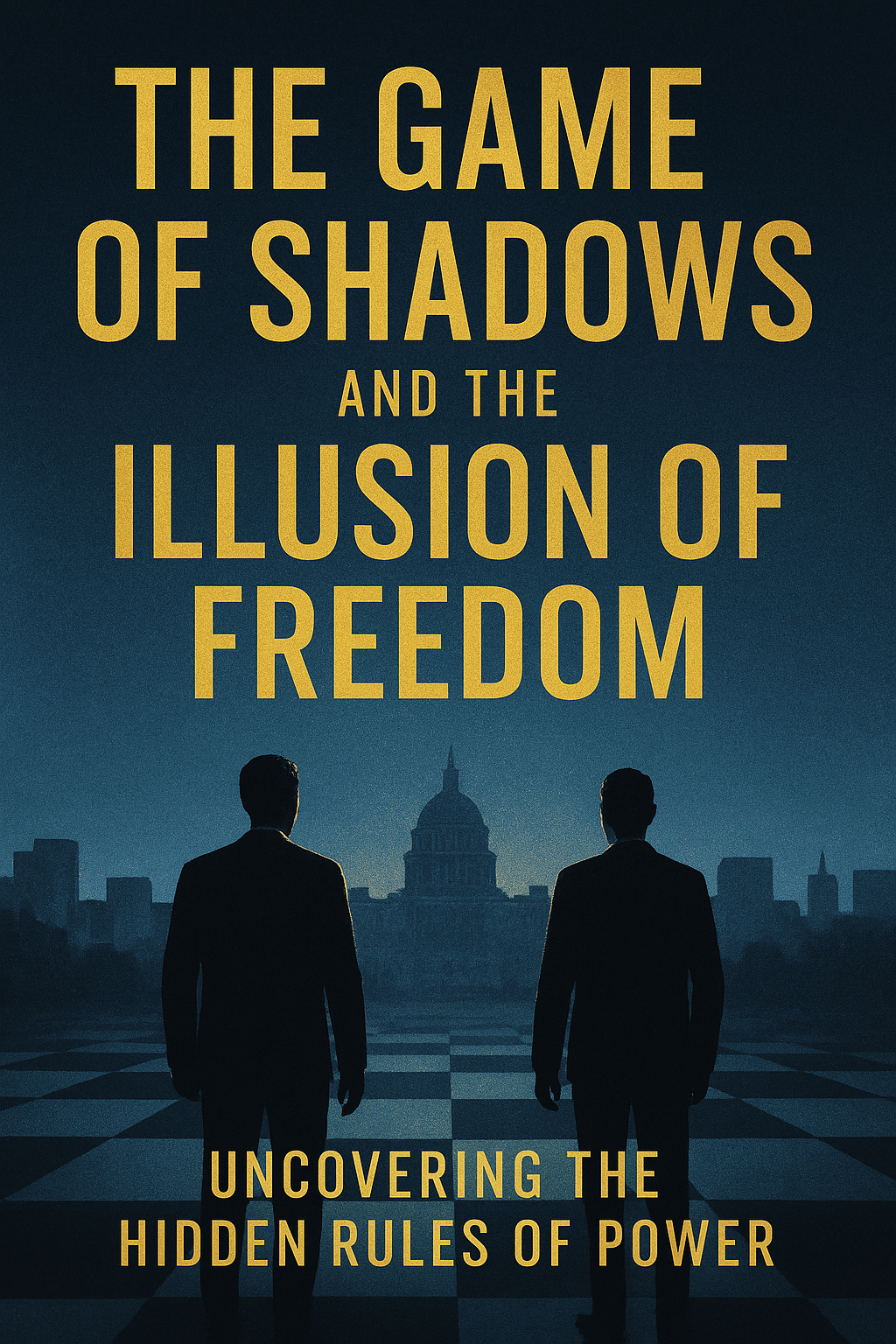
The Ghost in the Code
Ames always hated waking up before the sun, but that morning something tugged him out of bed—the kind of mental itch that refused to quiet down until scratched. He made coffee, opened his aging laptop, and stared at the login screen as if daring it to load slower.
It wasn’t classwork on his mind.
And it wasn’t Dr. Moore’s disappearance—though the ache of that mystery lived under everything now, humming like a low electrical buzz.
It was something else.
A word Kaela had whispered at the end of yesterday’s meeting:
“Nepo.”
The way she’d said it—carefully, like it had weight—stuck to him.
As the laptop finished booting, Ames reached under his desk drawer, pulled out an old plastic storage box, and dumped its contents across the carpet.
Old CDs.
A broken flash drive.
Printed code sheets from another lifetime.
And one label he hadn’t seen in years:
AZILE AI — Modified Version — A.E.
He smiled despite the tension in his chest.
Azile was crude by modern standards—just a text chatbot coded in a script language written by Osep Eizen, a genius no one remembered. It asked questions like a therapist and mirrored back whatever the user said. Most students used it once, laughed, and forgot about it.
Not Ames.
Back when he was a first–degree Computer Science major at Winding Waters, he had cracked Azile open like a safe, rewritten entire blocks of its code, and taught it to:
- remember user names
- recall past conversations
- string context together over days instead of minutes
It wasn’t intelligent, not really—but it pretended well enough. And for a student in his early 20s, that felt like magic.
Everyone acted like AI had “suddenly appeared.”
Like this was something new.
Ames knew better.
He remembered nights sitting in the glowing library basement, running lines of Azile’s code until he saw syntax in his sleep. He remembered thinking, even then:
If a student can do this, imagine what a government could do.
Back then he laughed it off.
Now it didn’t feel funny.
He slid the old CD aside and turned back to the laptop, opening a few public articles on Nepo AI. Most of them were fluff pieces:
“Revolutionizing information delivery!”
“A leap forward for global education!”
“Knowledge condensed into five gigabytes!”
But Kaela never brought him anything without a reason.
And the way she had looked at him—like she wasn’t sure whether she was warning him or asking for help—made his stomach tighten.
Ames typed:
“Nepo AI internal structure leaks.”
Nothing.
Then:
“Nepo AI surveillance concerns.”
Still nothing.
Too clean.
So he went deeper. He bypassed the search filters, pulled up foreign repositories, mirrored posts from regions that didn’t fall under Erica’s monitoring cloud.
And then he found something.
Not much—just a few fragments of code, allegedly taken from an early internal build: